
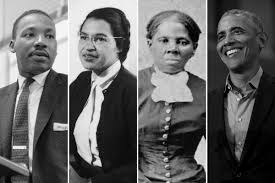
Black History Month began as a weeklong celebration created in 1926 by historian Carter G. Woodson and the Association for the Study of Negro Life and History to promote the study of African American history, which was largely ignored in schools and textbooks at the time.
Originally called Negro History Week, it was scheduled during the second week of February to coincide with the birthdays of Abraham Lincoln and Frederick Douglass, two figures associated with the fight against slavery.
Over the decades, the celebration grew as schools, communities, and civil rights organizations expanded their recognition of Black achievements and contributions. In 1976, during the nation’s bicentennial, President Gerald Ford officially recognized February as Black History Month. Today, it is observed nationwide as a time to honor the history, culture, and lasting impact of African Americans.